
How an AI Agent Can Handle Campsite Inquiries, Availability Questions, and Reviews Automatically
Campground Marketing, SEO, Direct Bookings
Why Campgrounds Lose Bookings to KOA and ReserveAmerica (And How to Compete)
If you feel like KOA and ReserveAmerica show up for every search while your independent campground sits on page two—or nowhere—you are not imagining it. The good news: you can compete, keep more bookings direct, and stop handing away profit in commissions if you approach SEO and direct booking like a serious revenue channel, not an afterthought.
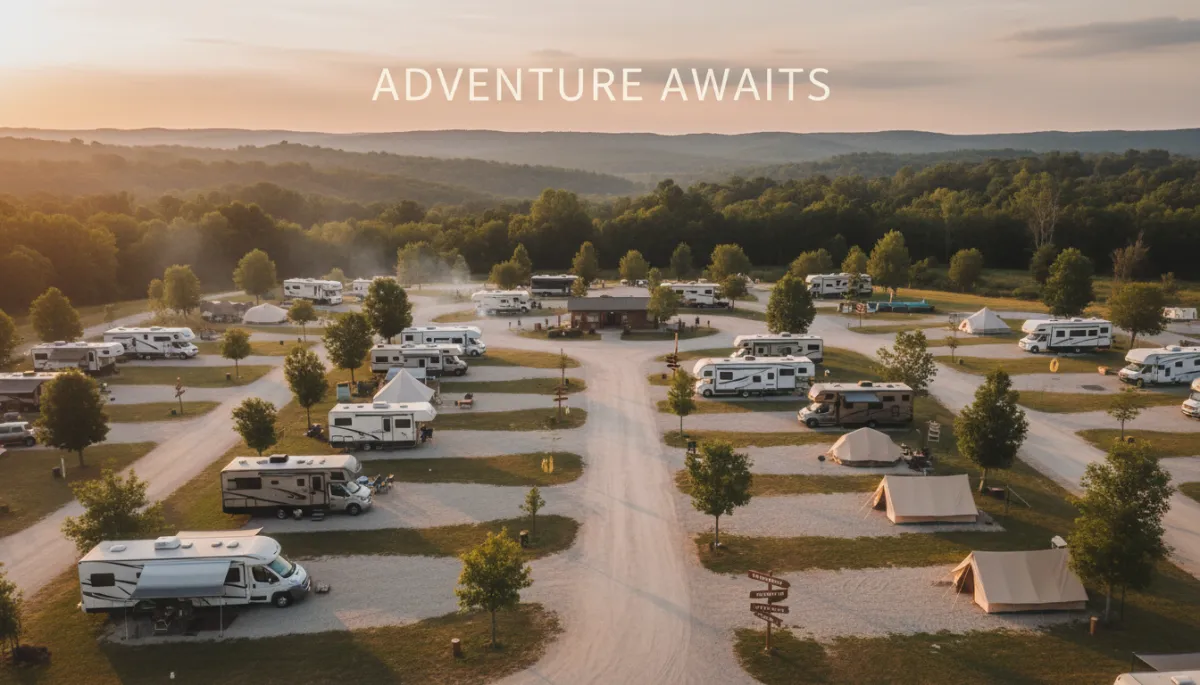
Why KOA and ReserveAmerica Dominate Search and Direct Bookings
KOA and ReserveAmerica are not “lucky” in Google. They win because they are built to win. They treat search visibility and frictionless booking as core business infrastructure, not side projects. You cannot copy their budget, but you can copy the principles that make them so hard to beat in search and so easy for campers to book with.
1. Massive authority and content footprints
Search engines reward websites that look trustworthy and helpful at scale. KOA controls a huge network of branded parks and publishes regular reports and articles on camping trends. ReserveAmerica powers reservations for state and public lands. Thousands of websites link back to them. That link network tells Google, “These sites are safe bets for camping queries,” so they get the top spots for broad searches like “campgrounds near Yellowstone” or “RV parks in Colorado.”
2. Aggressive local SEO and brand recognition
KOA has consistent naming, addresses, photos, and reviews across Google, Apple Maps, and other directories. ReserveAmerica rides on the authority of state agencies and park systems. When campers search “campground near me,” those platforms have everything search engines want: clean data, lots of reviews, and strong engagement. That is why they show up in map packs and local results before many independents that actually have better experiences on the ground.
3. Booking convenience and perceived safety
Campers have been trained to trust big platforms. They expect real-time availability, instant confirmation, clear photos, and transparent rules. A KOA or ReserveAmerica listing usually delivers that in a few clicks. Many independent campgrounds still rely on clunky forms, outdated calendars, or phone-only reservations. When a family is trying to lock in a site for a peak weekend—especially now, when more than half of campers report difficulty booking sites due to demand—they will choose the fastest, clearest path to a confirmed spot. That often means the big platforms, not your website.
4. They align with current camper behavior
Camping is now mainstream travel, not a backup plan. KOA’s 2026 report shows over 52 million North American households camped in 2025, and 31% plan more nights out in 2026. Booking windows are stretching—from around 26 days to over 44 days on some platforms—while nearly half of bookings still happen within 2–4 weeks of travel. Big platforms handle both behaviors well: early planners and last-minute bookers. If your website does not make either group feel confident and in control, they default to the brands they already know.
Owners who track where bookings originate can deliberately shift guests from platforms to direct channels.
Step One: Decide How Much Commission You Are Willing to Pay
Before you fix your marketing, get clear on your economics. Platforms are not evil; they are expensive marketing partners. The problem is relying on them as your primary booking channel instead of one of several streams. If you do not know your numbers, you cannot make rational decisions about when to send guests to KOA or ReserveAmerica and when to fight for direct bookings.
- Calculate your average nightly rate and typical stay length.
- Multiply by your average commission percentage on platform bookings.
- Decide what percentage of your total nights you are willing to “tax” at that rate.
That number becomes your ceiling. Anything above it is unacceptable and must be shifted to direct booking through better SEO, stronger local presence, and smarter guest communication. Treat this as non-negotiable if you want to protect margins while demand is booming.
Actionable SEO Strategies: How to Rank Beside (and Under) the Giants
You will not outrank KOA or ReserveAmerica for “campgrounds in [state].” You do not need to. You need to win for specific, high-intent searches in your region: the people who are actually likely to stay with you. That is where smart, focused SEO pays off for independent properties.
1. Own your local SEO fundamentals
- Google Business Profile: Claim and fully complete your listing. Use your exact campground name, correct address, phone, website, and business hours. Add 20–30 high-quality photos of RV sites, tent sites, restrooms, and your surroundings. This is what feeds the “map pack” that appears above organic results for “campgrounds near [town].”
- Consistent citations: Make sure your name, address, and phone (NAP) are identical across Yelp, Apple Maps, TripAdvisor, local tourism sites, and any directories you are in. Inconsistent data hurts your local rankings and confuses guests.
- Review strategy: Ask every happy guest to review you on Google. Do it in person at checkout, via post-stay email, and on signage. Respond to each review—good or bad—with calm, professional replies. Search engines treat active, positively reviewed businesses as safer to recommend.
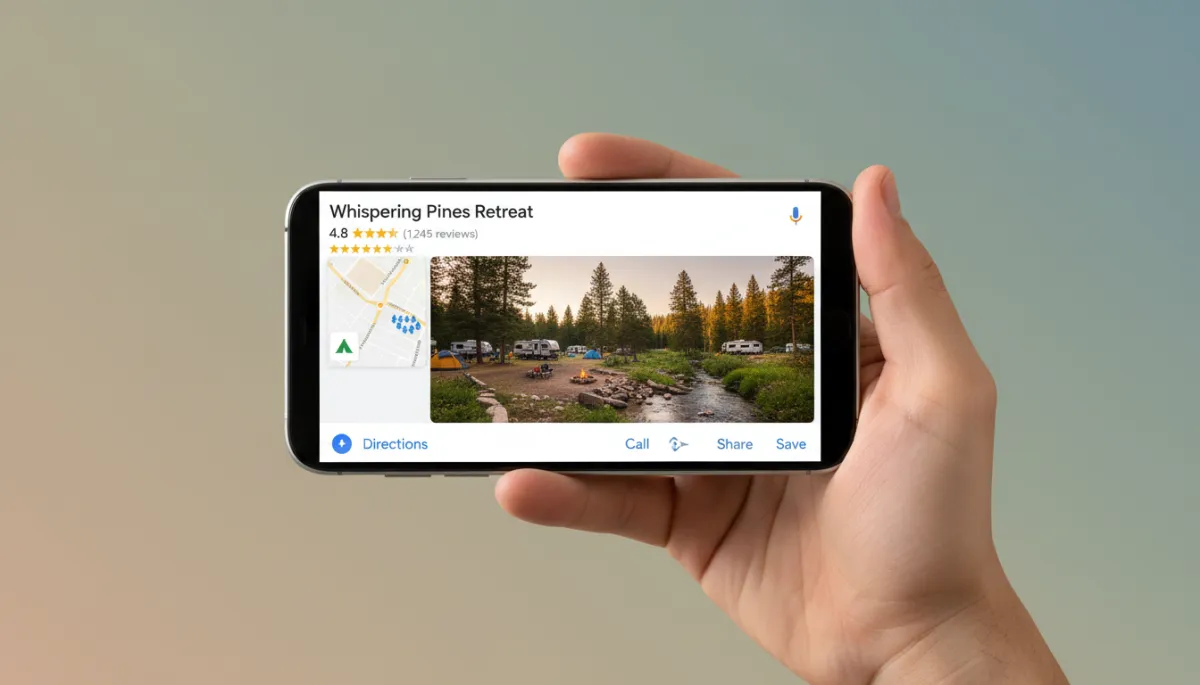
A fully optimized Google listing with reviews often beats big brands in local map results.
2. Build a mobile-first, conversion-focused website
Most of your traffic will hit your site on a phone. If your homepage loads slowly, the text is tiny, or your booking button is buried, you are feeding KOA and ReserveAmerica your guests. Fix this immediately.
- Use a clean, responsive design that loads in under three seconds on 4G.
- Put a clear “Book Now” button in your header that stays visible as guests scroll, linking directly to your booking engine—not a generic contact form.
- Show real photos of sites, bathrooms, and common areas. Campers want to see what they are paying for, especially now that glamping and wellness-focused stays are common expectations.
3. Target the right keywords—specific, not generic
Stop chasing “campgrounds in [state].” Start targeting the phrases real guests use when they are close to booking. Think in terms of location, rig type, trip type, and nearby attractions.
- “RV park near [nearest town or highway exit]”
- “campground near [national park, state park, lake name] with hookups”
- “pet-friendly campground near [attraction]”
- “glamping near [city]” if you offer cabins, yurts, or upscale tents
Build individual pages or strong sections on your site that clearly answer these searches. Use the phrases naturally in page titles, headings, and text. This is where independent campgrounds can outrank big platforms—on specific, local, high-intent queries that match your exact offering.
4. Create content that solves camper problems, not just sells sites
Search engines are prioritizing helpful, human-centered content. Use that to your advantage. Publish short, clear guides that answer questions your guests actually ask you on the phone or at check‑in.
- “Best 3‑day camping itinerary near [your area]”
- “How to avoid crowds at [nearby national or state park] in peak season”
- “Pet‑friendly hikes and swimming spots near our campground”
Link these articles back to your booking pages and site maps. As more campers search for wellness, community, and longer, intentional stays, these guides help them picture your campground as the basecamp for exactly that kind of trip.

Highlighting wellness, community spaces, and longer stays attracts the new wave of intentional campers.
5. Use schema markup and structured data where possible
You do not need to become a developer, but your web provider or marketing partner should be using structured data to help search engines understand your property. At minimum, your site should identify itself as a local business with your NAP details and, ideally, highlight reviews, pricing ranges, and amenities. This increases your chances of rich results and stronger local visibility.
Direct-Booking Strategies That Actually Move Guests Off Platforms
SEO gets you in front of the right campers. Direct-booking strategy converts them on your own site and keeps them coming back without paying KOA or ReserveAmerica every time. You control this more than you think.
1. Make your booking engine non‑negotiably simple
If your booking process is confusing, guests will abandon and rebook through a platform they trust. Audit your process step by step:
- How many clicks from homepage to confirmed reservation? Aim for three or fewer.
- Are availability and pricing clearly visible before guests have to enter personal details?
- Is the language clear and plain, or full of internal jargon and abbreviations?
If your current system cannot deliver a clean mobile experience with real‑time availability, you are paying platforms to cover that weakness. Upgrading your booking engine is often cheaper than a lifetime of commission drain.
2. Offer small but meaningful advantages for booking direct
You do not need to slash rates to shift guests off platforms. You do need to clearly state why booking direct is better. Campers will respond if the benefits are concrete and visible at the moment they are choosing where to click.
- Best‑rate guarantee: “You will always find our lowest price on our website.”
- Flexible terms: Slightly better cancellation or change policies for direct bookings.
- Perks: Early check‑in when available, firewood discount, or free coffee for direct bookers.
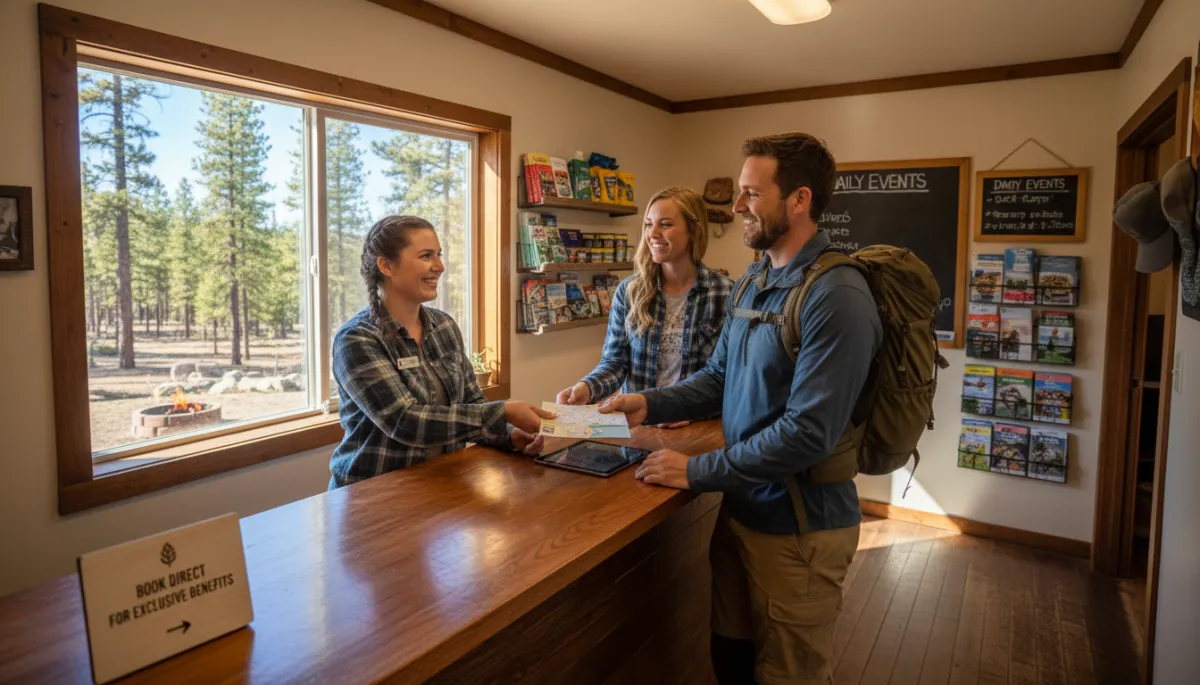
Train staff and signage to consistently communicate the advantages of booking direct next time.
3. Capture guest contact details and actually use them
Every stay should create a future direct booking opportunity. That does not happen automatically. You need a basic system for email and, if possible, SMS communication.
- Collect email addresses and permission at booking and check‑in, regardless of channel used.
- Send a post‑stay thank‑you email with a clear “Next time, book direct and get [specific benefit]” message and a direct link to your booking page.
- Email your list before peak periods open, reminding them to reserve early and highlighting any longer‑stay discounts or shoulder‑season deals.
Remember, booking windows are stretching, and campers are planning more intentional trips. If you reach past guests before KOA or ReserveAmerica does, you keep that revenue in‑house.
4. Use social proof where it matters most
Campers trust other campers more than they trust your marketing copy. Put real social proof directly on the pages where people decide to book.
- Add a few short, recent guest quotes to your homepage and booking page, especially about cleanliness, friendliness, and quiet nights—top concerns for most guests.
- Embed your Google review score and a link to read more reviews. Do not hide your ratings; leverage them.
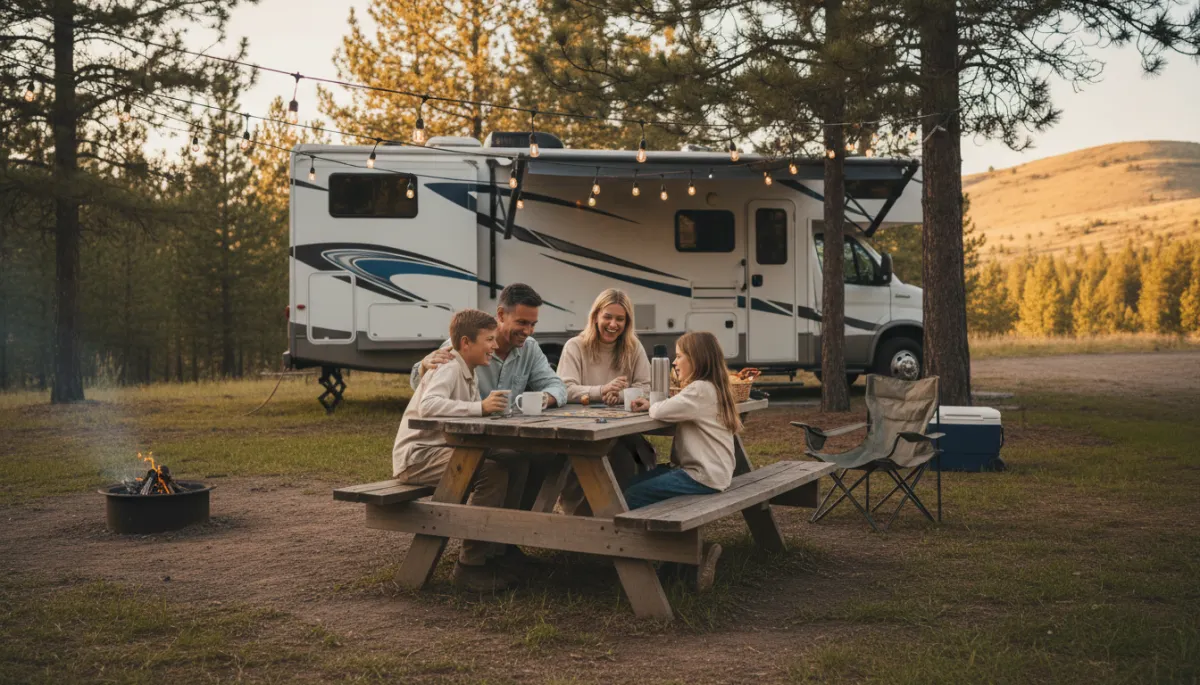
Real guest experiences, shown clearly, reduce hesitation and push campers toward direct reservations.
5. Partner locally to build authority and backlinks
KOA and ReserveAmerica have national authority. You can build regional authority. Search engines notice when local tourism boards, chambers of commerce, outfitters, and attractions link to your site. Those links act as “votes” of trust.
- Ensure your campground is listed (with a live link) on your town or region’s official tourism website.
- Collaborate with local guides, rental shops, and restaurants to create joint itineraries or blog posts that link back to each other’s sites.
- Offer to write a short guest article for regional travel blogs about “Insider tips for camping near [attraction],” linking back to your booking page.
Using Platforms Strategically Without Letting Them Own Your Business
The goal is not to abandon KOA or ReserveAmerica overnight. The goal is to stop using them as a crutch and start using them as one of several demand sources you control. That means being deliberate about how and when you rely on them.
- Use platforms to fill genuinely hard‑to‑sell nights—midweek, shoulder season, or last‑minute gaps—while prioritizing direct bookings for peak weekends and holidays.
- Keep your availability slightly more generous on your own site than on platforms, so direct bookers see better options.
- Make sure every guest who arrives from a platform leaves knowing your website, your direct booking link, and the benefits of using it next time.
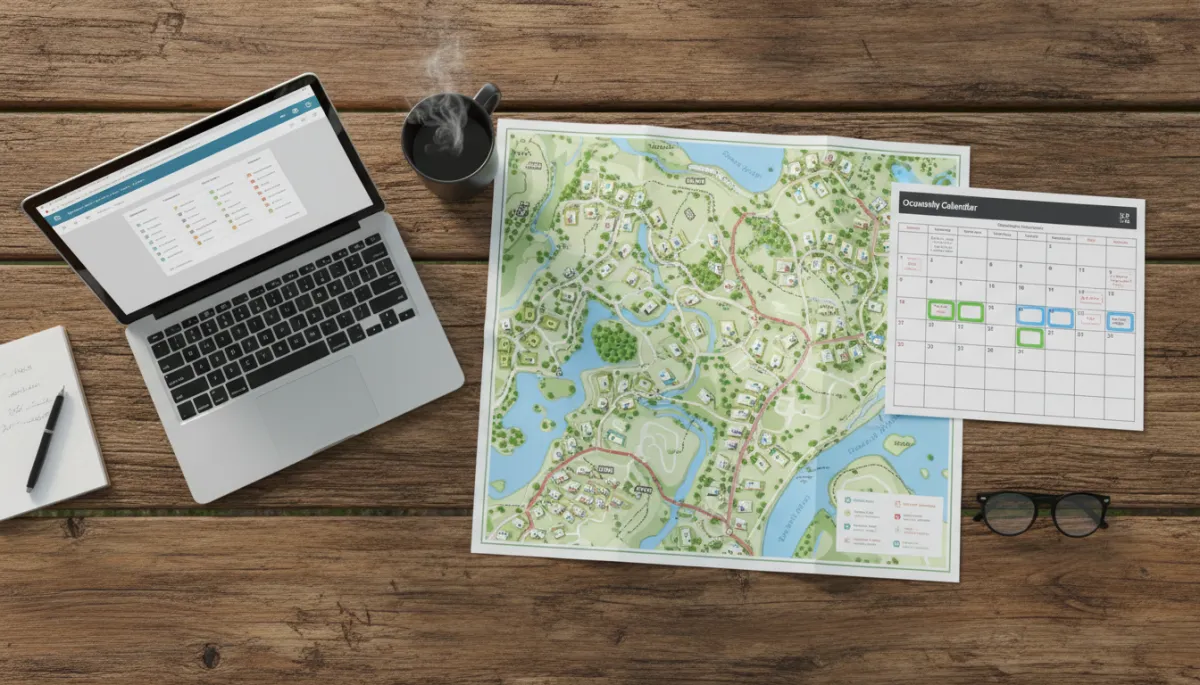
Treat platforms as one channel among many, not the foundation of your occupancy strategy.
A Simple 90‑Day Plan to Start Winning Back Bookings
You do not need a marketing department to change your trajectory. You do need focus and consistency. Here is a realistic 90‑day plan for a typical independent campground owner who wears too many hats already.
- Week 1–2: Fix your Google Business Profile, ensure NAP consistency, and upload current photos. Start asking every happy guest for a Google review, every day.
- Week 3–4: Clean up your website. Confirm it works on mobile, move “Book Now” to the top of every page, and remove outdated information that creates doubt or confusion.
- Week 5–6: Publish two short, practical guides targeting your most important attraction‑based searches. Link them clearly to your booking page and share them with your email list and social channels.
- Week 7–8: Implement a direct booking benefit (rate guarantee, perk, or flexibility) and add that message to your homepage, confirmation emails, and check‑in materials.
- Week 9–12: Reach out to local tourism boards, attractions, and blogs to secure at least three new backlinks. At the same time, begin emailing past guests with early‑booking reminders for upcoming peak periods.
Track your results at a basic level: number of direct bookings per month, commission paid, and occupancy percentage. You should see platform dependence start to ease and direct revenue climb if you execute consistently.
The Bottom Line: You Cannot Outsize KOA or ReserveAmerica, but You Can Outsmart Them Locally
Demand for camping is strong and growing. Campers are booking further in advance, staying longer, and looking for wellness, community, and memorable outdoor experiences. That is exactly what independent campgrounds are built to deliver. The only reason KOA and ReserveAmerica are capturing so many of those stays is that they show up first and make booking easy.
If you tighten your local SEO, modernize your website and booking process, and deliberately steer guests toward direct reservations, you do not have to keep surrendering margin to third‑party platforms. You will not remove them from the market. You do not need to. You just need to ensure your share of bookings flows through channels you own and control.
Start with the basics outlined here. Treat SEO and direct booking as essential infrastructure, not optional extras. In a market where more campers are competing for limited sites, the campgrounds that own their visibility and their booking funnel will own the most profitable future.
